
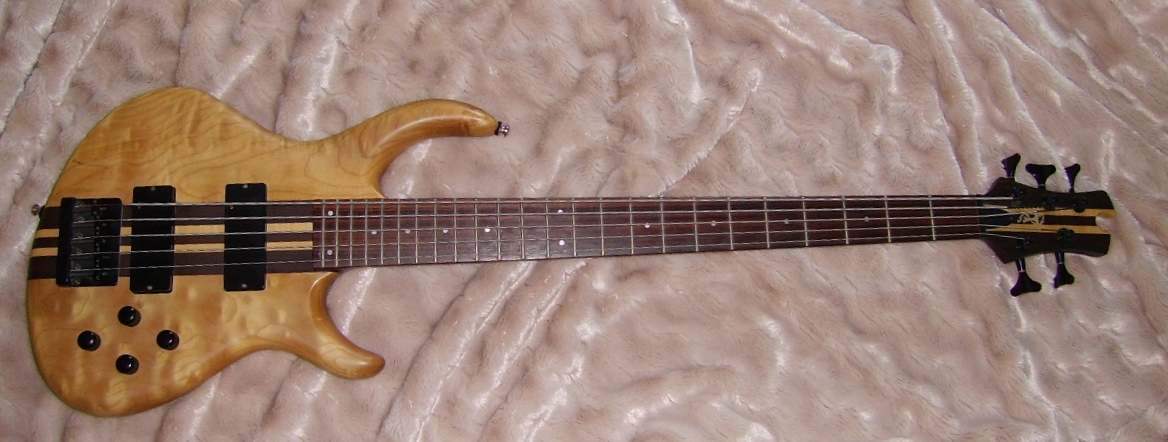
Guitar verses Saxophone - Which is easier to learn?
Which is the easiest musical instrument to learn between the guitar or saxophone?
Both have advantages and disadvantages and the learning curve is different.
I play both, saxophone was and still is my first instrument but I don't enjoy playing keyboard so I use a guitar for all the harmony work.
If you want to learn to play an instrument quickly and get results, guitar is the better choice. If you want to play tunes with three chords and simple riff-based solos in a short amount of time, its the easiest option.
However, if you want to play in a swing band or be out front on stage as a soloist, saxophone may be better for you. The learning curve is different and slower at the start which may be frustrating if you are used to getting quick results.
Lets look at the advantages and disadvantages between the instruments for a beginner:
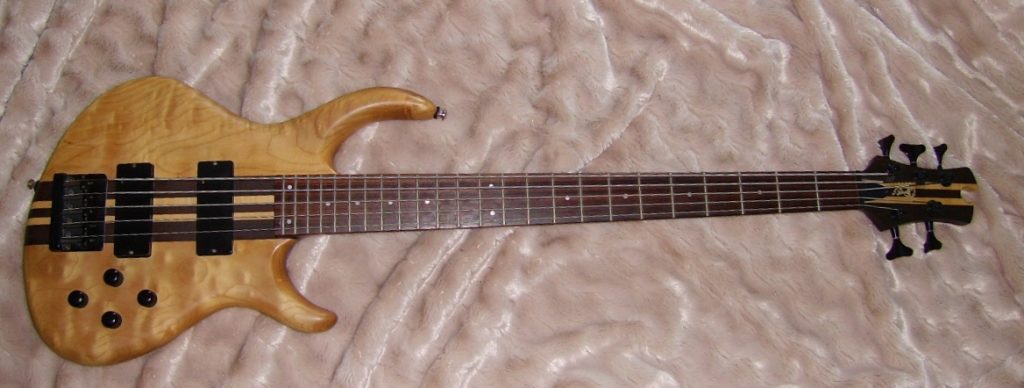
Advantages of learning guitar
- You will be able to learn a three-chord song in a few hours from a book or online.
- You can practice quietly if you have an electric guitar. Most amplifiers have a headphone socket.
- Guitars are inexpensive to buy and there are many used ones for sale.
- Guitars are reliable and almost maintenance free. Consumables like strings are affordable and easy to buy online.
- There are many teachers available in person or online. In many cases people can teach themselves to a high level by listening and copying from players they like.
- You do not need to be able to read music to play the guitar until you are playing at a high level.
- There are many musical styles which the guitar is used. However, the learning pathway for classical is much more disciplined and structured than rock or blues. If you want to learn classical guitar the process will be almost the same as saxophone.
Disadvantages of learning guitar
- Because its easy to learn the basics, there are lots of guitarists out there. Unless you are very good it will be difficult to join a professional group. At semi-pro level this means that players often have to play in bands lower than their ability or in a different style. Most groups only need one or two guitarists.
- There are a lot of things to carry around with you for rehearsal and performance. You will need a guitar in a case, an amplifier, cables, pedal board plus music and sometimes a chair. Its not something practical to take with you on a bus trip across town!
- To play at a high level, you will need to practice regularly, know a lot of chord shapes all over the fretboard and have the soloing language in your preferred style perfected. It helps if you can read music even if your band does not need it.
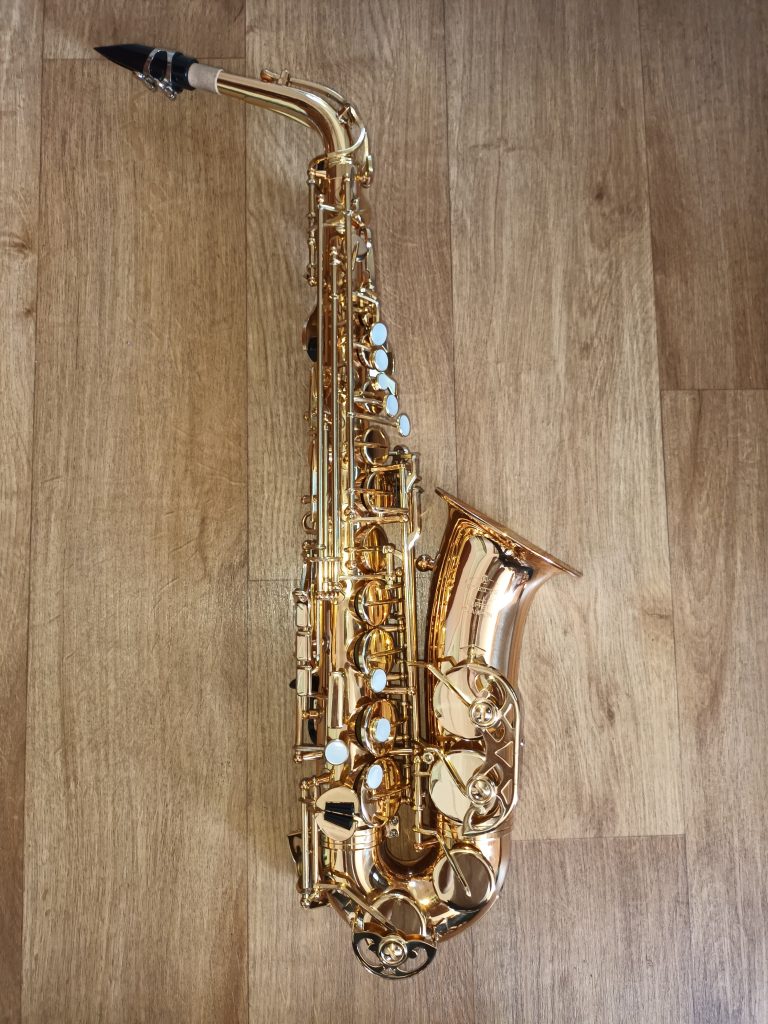
Advantages of learning saxophone
- Swing bands need a lot of saxophone players. You are almost certain to get into a band. However, you may have to work hard if you have weak spots in your playing like sight-reading music, improvisation or do not practice enough.
- No chords! But you will need to be able to interpret chord symbols and know what they mean for your playing.
- Less to carry around. If you play alto or soprano saxophone, you may only need one case with all the things you need.
- Many styles of music use the saxophone as a soloing instrument. You could be playing solos out front!
- Some styles of music will only need your playing for short sections at a time so you will not have to work too hard.
Disadvantages of learning saxophone
- The initial cost of buying a saxophone is usually more than a guitar. Buying a good quality used instrument from a specialist will be much more cost-effective than a new one.
- Cane reeds are inconsistent and consumable usually lasting between two to three weeks. Synthetic reeds last around six to eight weeks but they are much more consistent. Having good reeds available all the time will be an expensive ongoing cost.
- Saxophones need maintenance! Letting the pads dry, cleaning them with pad-paper and lubricating the mechanism takes a little time. Taking them for a service annually is a good idea too. If you use cane reeds, these will need adjustment which can become time-consuming.
- The learning curve is steeper. The first lesson is usually hard as you have to learn to co-ordinate your fingers, breathing and tongue in a new and unnatural way. It may take several days to be able to play a simple tune like hot cross buns!
- You will need to be able to read music to be able to function in a band.
- If you want to be a soloist or improviser you will need to understand music theory and how it applies to several style of music. It requires a lot of specific, dedicated and disciplined practice to master the art of soloing especially for jazz.
- Although you can teach yourself from books or online, you will need a teacher at some point to help correct any problems. It can be difficult to find a teacher who can help in the area you are having problems if it is outside the normal learning syllabus.
- The saxophone is difficult to mute so you need somewhere to practice where you will not disturb anybody.
Conclusion
Guitar is the quickest instrument to get results. Saxophone has a steeper learning curve so it requires more determination and persistence.
It does look like the saxophone is more difficult but, that is the appraisal I have made based on starting out for the first time in music. Once the initial steep learning curve is past it does become a lot easier. You will need to be determined to get though it. All saxophone players have all been through it. Just keep going and keep the first practice sessions short.
When you reach intermediate level and above, difficultly becomes equal.
You will only be as good as the practice time you put in.
There are many types of musical instrument out there, pick one that you enjoy listening to. If you mostly listen to hard rock, guitar is the better choice. If you like K-pop, a synthesiser and DAW may give you more enjoyment. You need to enjoy listening to the types of music your instrument works well with.
Popular beginner instruments are:
For jazz, pop and rock pathway: keyboard, saxophone, guitar, bass guitar, drums, singing
For classical pathway: piano, flute, clarinet, violin, cello, trumpet, trombone
Folk pathway: acoustic guitar, tin whistle, trombone, trumpet, clarinet, percussion
Some instruments are used in all styles of music so you can pick your path later: clarinet, flute, trumpet, trombone, saxophone, guitar and keyboard are commonly used.
Don't forget, you just need your voice to get started in music! If you cannot decide on an instrument, join a choir or vocal group.