
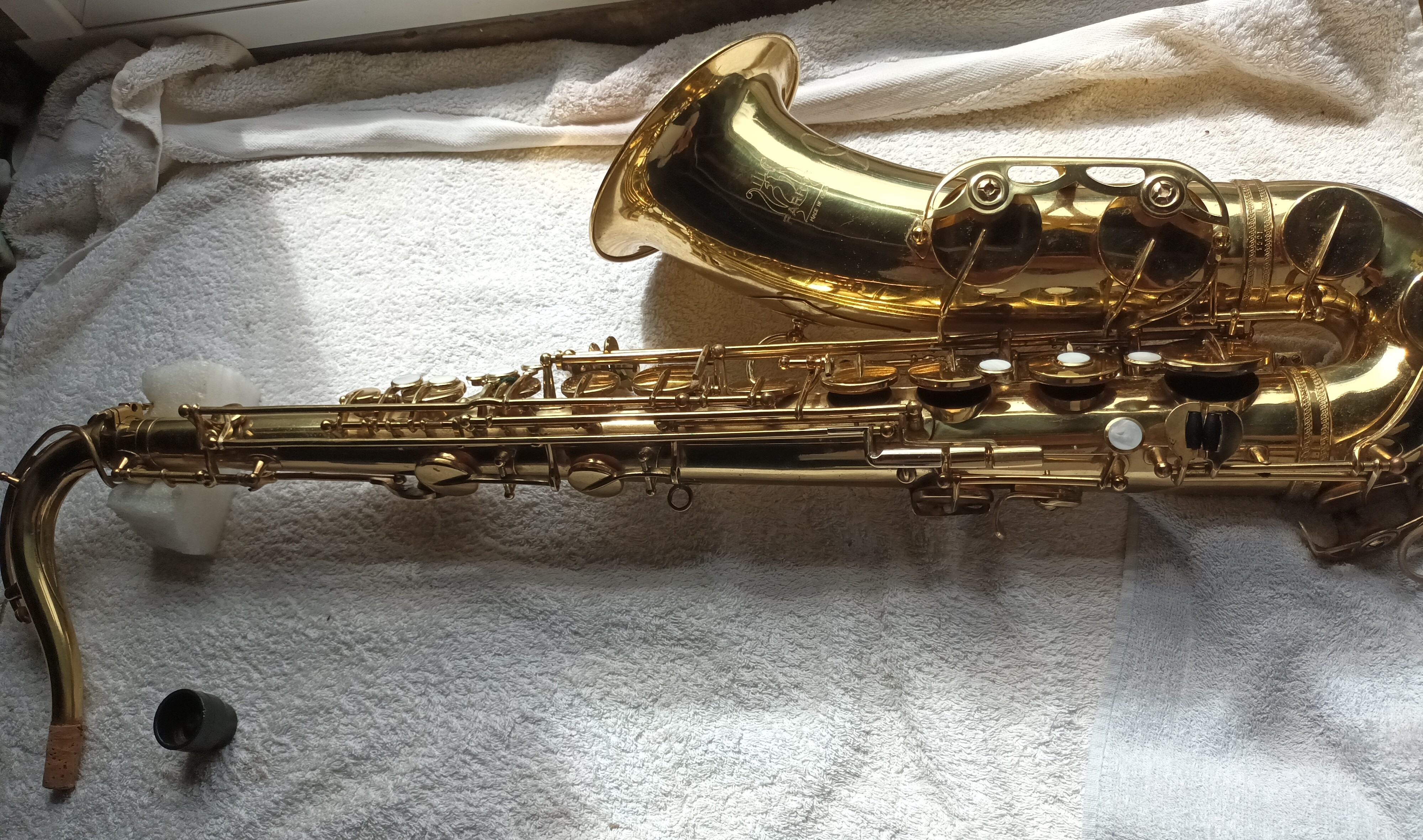
The Problem Parrot - Part 1
Parrot Tenor Saxophone - I Brought A Dud
I like to buy saxophones with problems so I can repair them and sell on (or keep if they are really good).
Sometimes I see one which I am curious about and buy unseen. I usually regret doing that. This Parrot tenor saxophone is a good example of this.
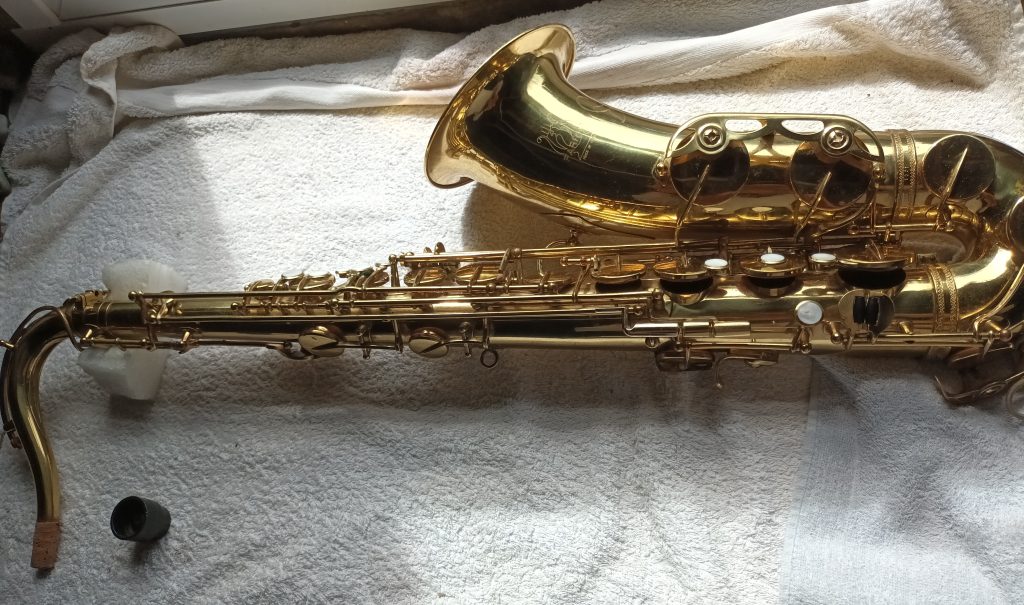
"Good from afar but far from good" is a saying one often uses about used cars. Its the same for this tenor. The photos looked fine, it showed a few minor issues. I should have been a quick project - maybe a week at most.
I have wanted one of these for a while. A handful of Parrot saxophones turn up for sale each year and they look like exact copies of a USA Mark VI. In the workshop, it is very similar. The keywork, components and feel are almost identical.
The Parrot brand is still around in Eastern Europe. They are a budget brand but that does not mean their instruments are bad. This one looks well made, there are matching serial numbers on the bell, body, neck and keys. This indicates that the manufacturing process matched the components for one instrument together. This should produce better key-fit and is not something which would happen in a large scale cost-focussed production run.
So what is wrong?
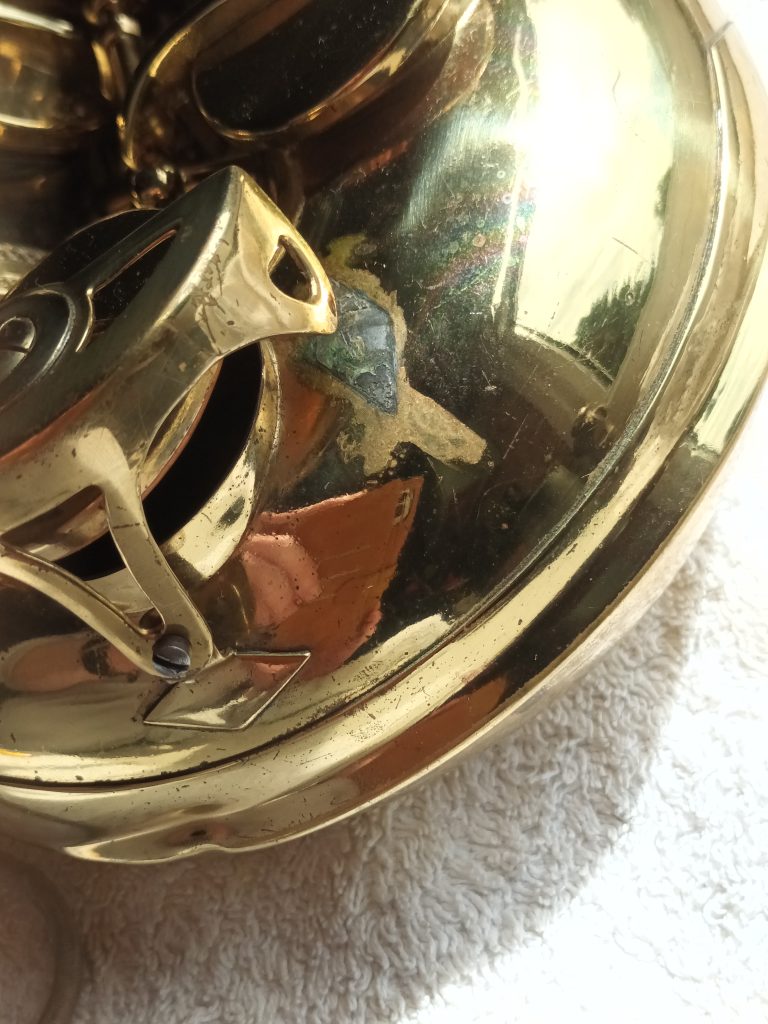
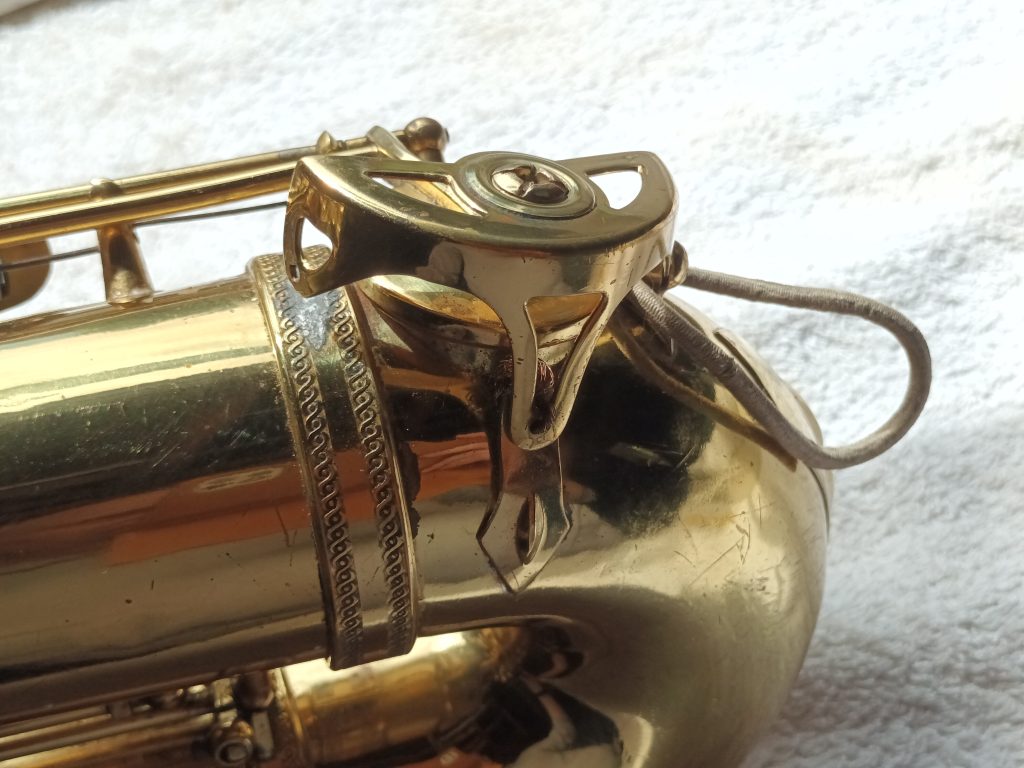
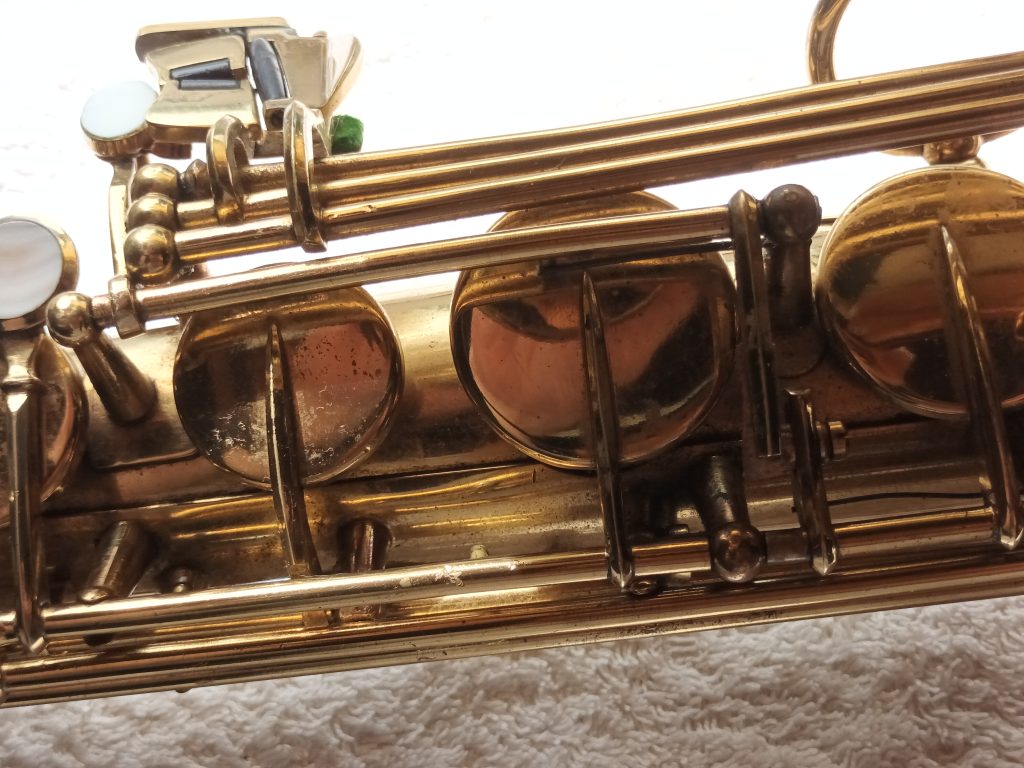
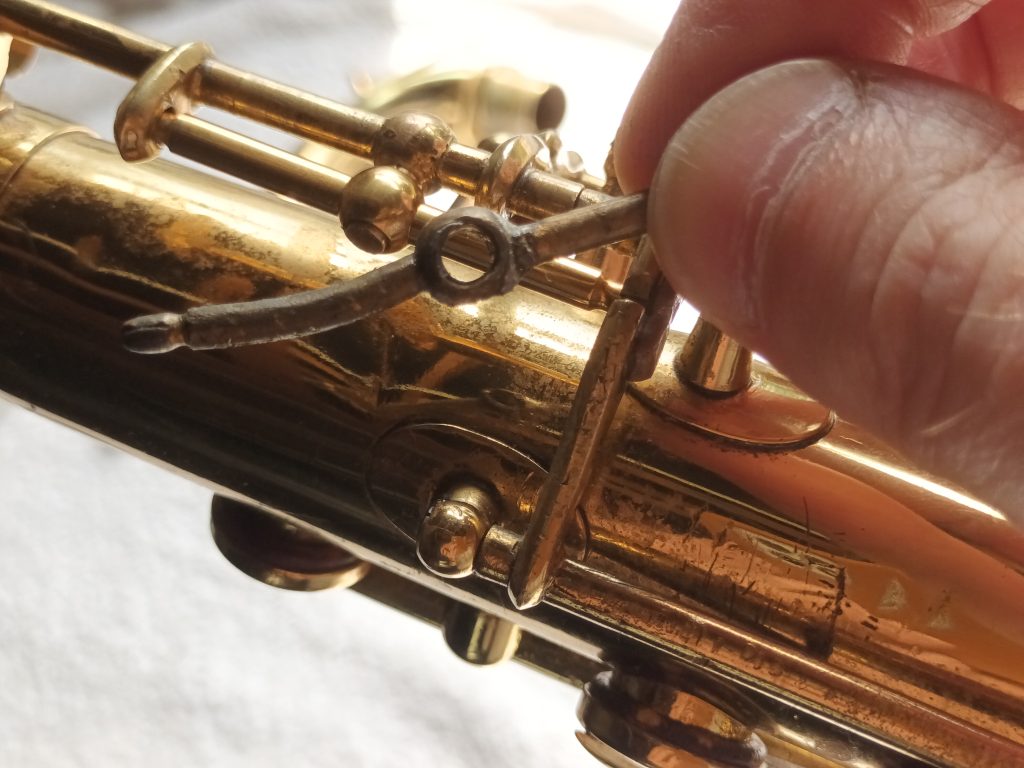
None of these things are down to bad manufacture, its just poor maintenance and abuse which has done this. Overall, the instrument shows sign of genuine use and wear. No company or people set out to make bad things, they just have constraints like the race-to-the-bottom on price and poor design from the company placing the order.
So it needs some soldering, dent repairs, a re-pad, regulation and clean. Its an overhaul++. A real project where I need to use all my skills to get this sax into playable condition. I believe it will be good once the work has been done. It won't ever be amazing or like a genuine Mark VI but it should play well enough.
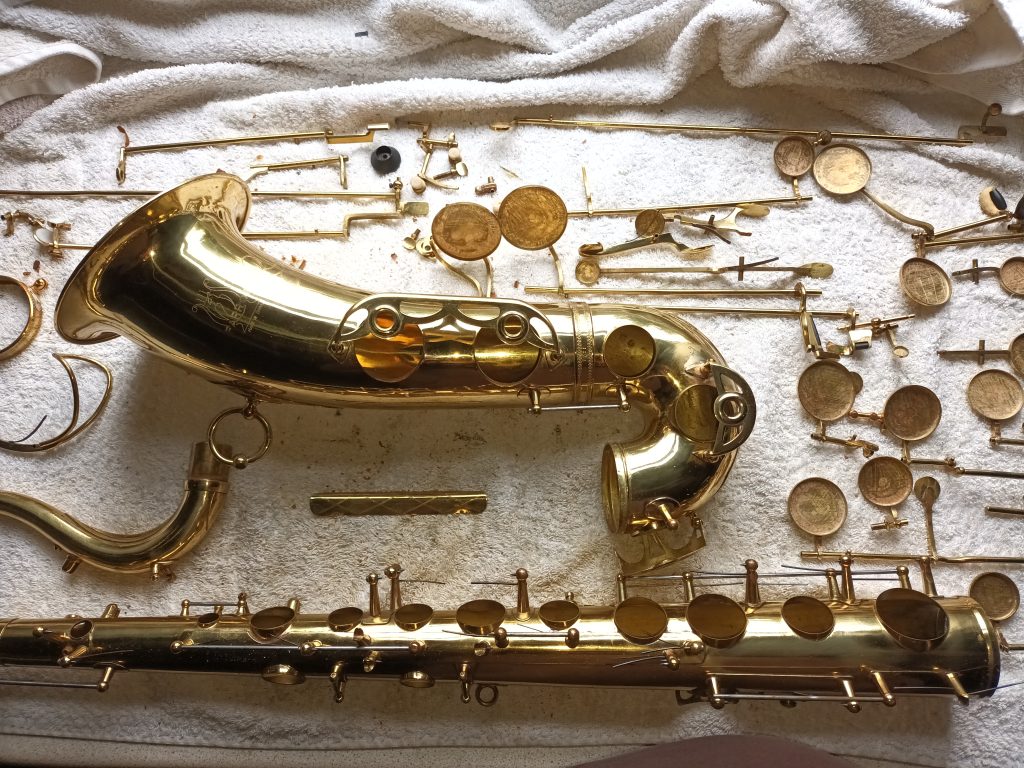
You may have read these have 'soft' metal. As I took it apart, there are two types of metal; a softer one on most of the key and rod parts and a harder one for key cups, body and posts. Although it is soft, its about the same as other vintage USA made saxes from 1940's and 50's. Brass was used like we use plastic today and in much greater quantity so a lot of it would have been poor quality. I believe the maker would have copied the properties of the metal from the original instrument.
The next step is to fix the problems which will be in another article...