
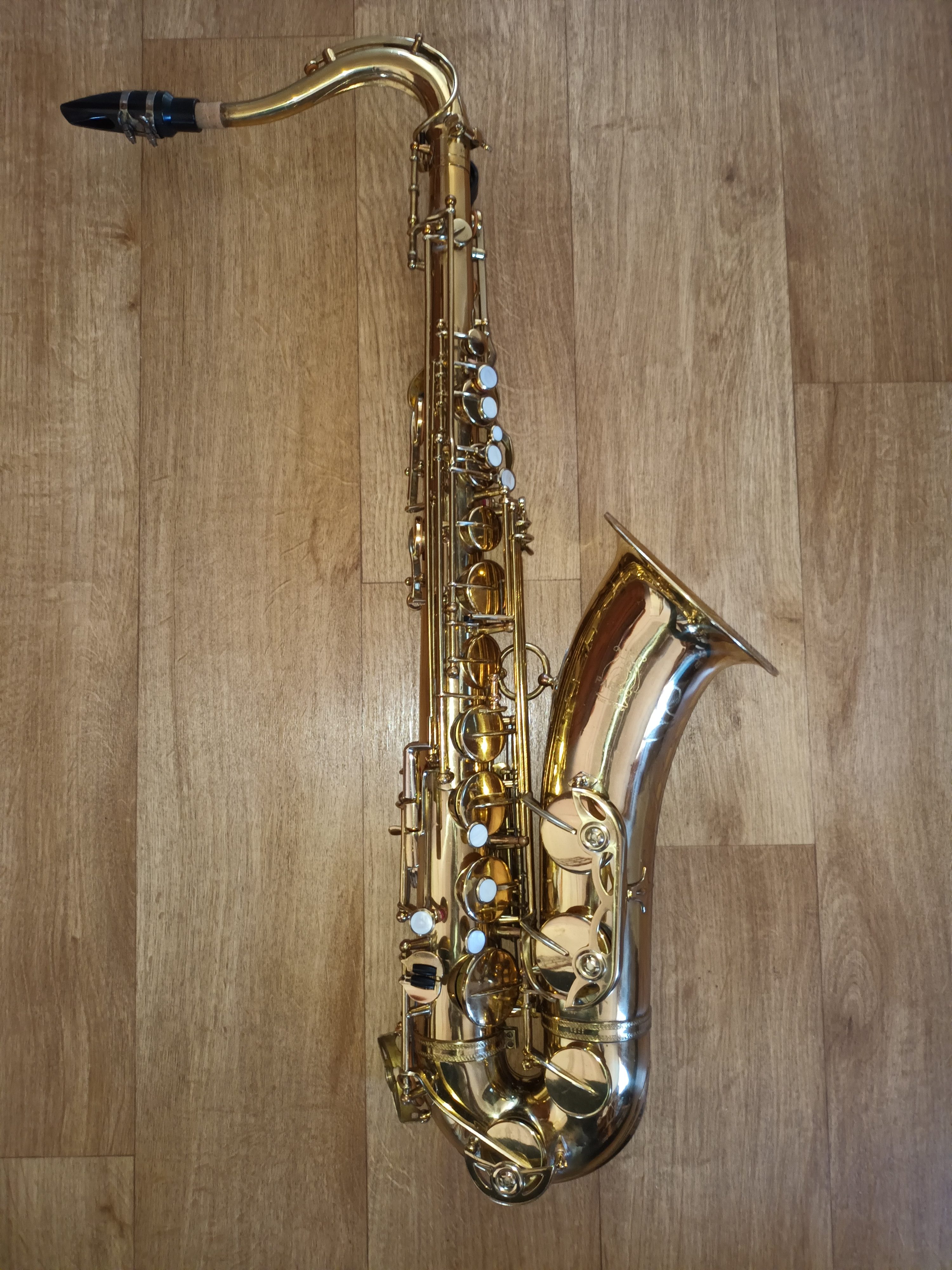
The Problem Parrot - Part 3
Conclusion
You might want to read part 1 and part 2 so this conclusion makes more sense.
Play test
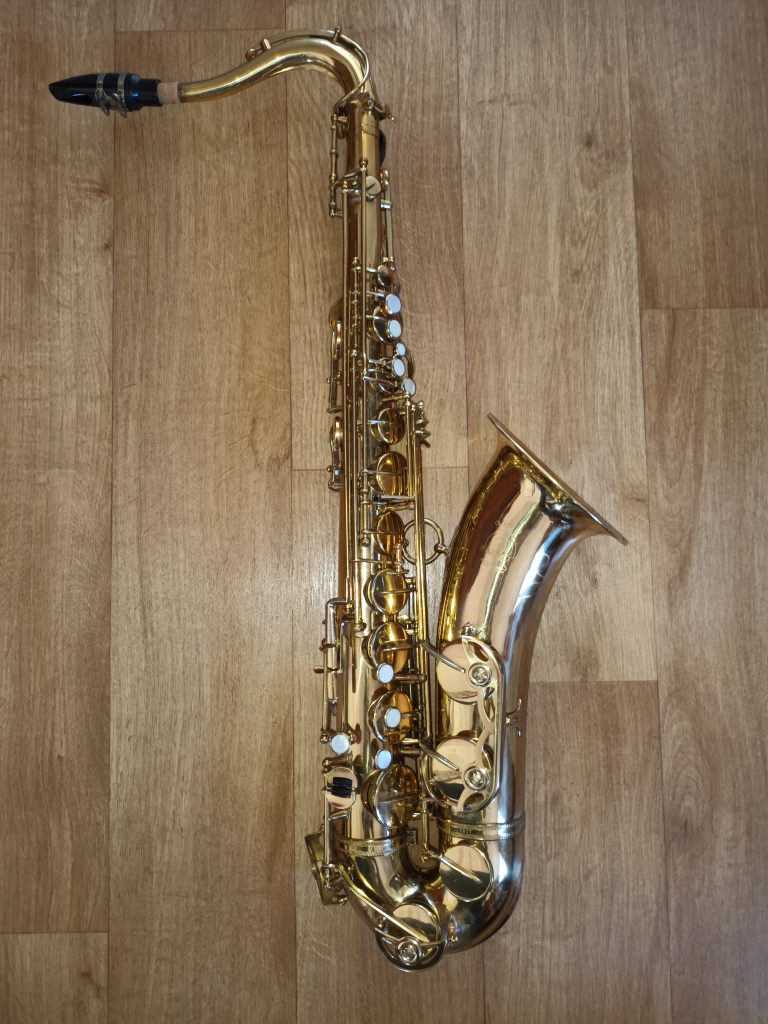
I like to play test instruments over several days or weeks before I sell them on. This works well after an overhaul. Any minor problems or pad timing issues start to appear after repeated playing sessions and can be fixed before it goes to a customer.
To set some ground rules, I am not going review it as a copy of a Mark VI or SBA. That would be unfair since it would have not been competing with that model and all the dents and dirt it had originally suggest it has endured a hard life.
The ergonomics are fine, the position of the keys should suit smaller hands. The left-hand keys are very compact. The octave mechanism is an older design and feels a bit notchy to use however, it has been repaired several times and that will affect its operation. It does function well enough.
The tone is good for jazz, quite dark with a hint of fizzy projection. The wider throat on the bell allows the lower notes to have a breathy open sound. It has a lot of resistance which is nice but its a physical struggle to play loudly for a long time. I would describe the tone as authentic, it sounds right for small group jazz. For ensemble playing, the more open sound would get lost easily. It works well with a higher baffle small-chamber mouthpiece.
The only tonal problems were the palm key overtones I mentioned in part 2. It sounds like a split octave when playing notes from high Eb upwards. It could be small leak from somewhere so it should be fixable. The overtone can be blown through by playing loudly but I feel that all notes should be playable quietly. I have not experienced this on any other saxophone. On the subject of intonation, its acceptable until you hit octave A and then it gets progressively sharper as you move to the top notes on the instrument. The intonation character is very similar to other instruments from the 1980's and its fixable.
Overall, the playing experience reminds me of an Amati Super Classic I owned a long time ago but with better left-hand pinky key buttons. Perfectly functional for a beginner or casual player when the palm keys and intonation issues have been fixed.
Fixing remaining problems
Leaks in the neck tenon area and around the octave pips are usually the cause of intonation issues so I started the fixes there. The body octave pip plate solder did not look complete as I could see solder had flowed out. I re-soldered the plate. It now looks messy but should not leak. It was probably caused by previous owners adjusting the octave mechanism by levering it around which caused dents in the same area.
The neck to body tenon and the neck tenon parts were also out of line with gaps on the inside. These were fixed by re-soldering. All these faults could have happened at any time by dropping or misusing the instrument. Its not an indication of bad manufacture.
There are no leaks now but the split note problem is still there. It could be intonation related so I did the fix for sharp upper register.
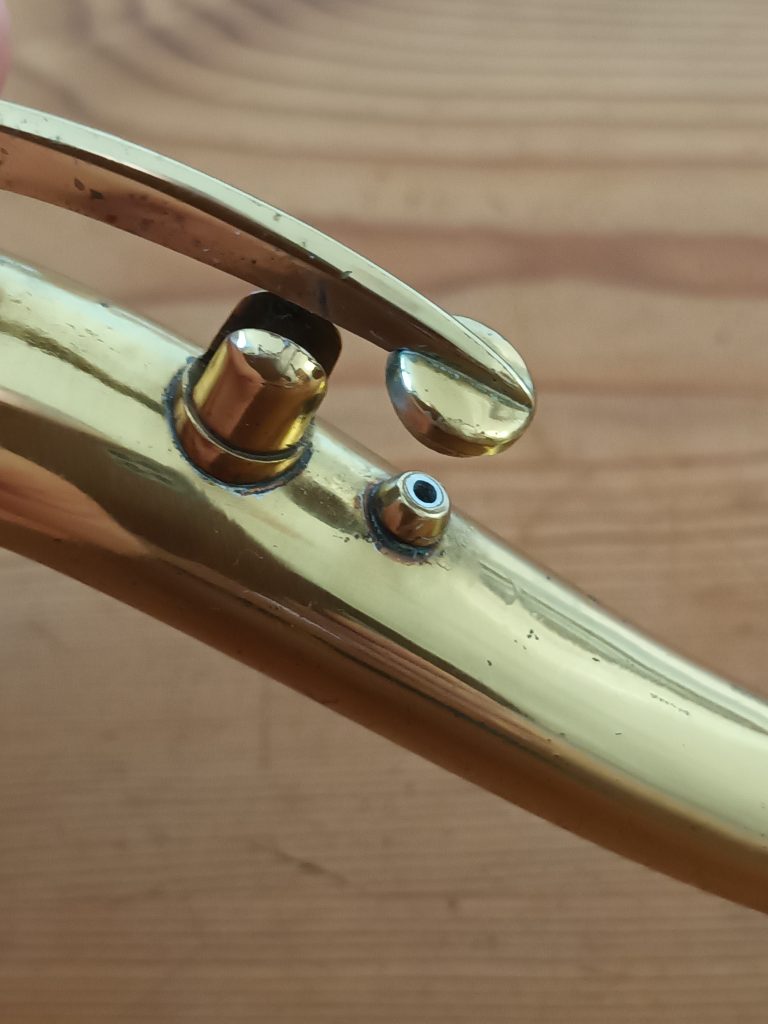
Initially, I put a really small octave vent (around 1mm) in which corrected the sharpness but made the split octave problem appear on lower notes from B upwards to E. This made me conclude the problem is unfixable. I either have to make the vent very wide which will make all the high notes sharp or have a horrible split tone on some notes. The cause is a mismatch between the neck and body. It might be fixable with a different neck but the tenon has a 27mm diameter which is rare. Usually necks are 27.5 or 28mm and there is no guarantee replacing it would fix the issue.
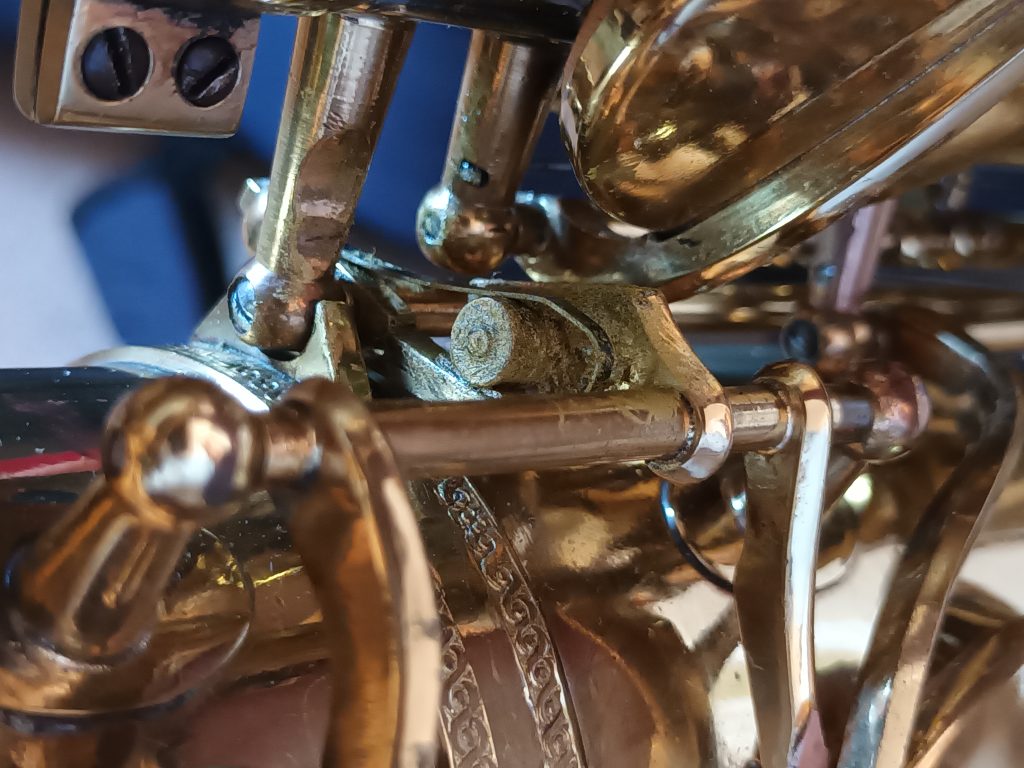
The final problem was the low C# mechanism. This sax has an older design where there is only one spring on the rod to hold the key down. The pad has no spring to hold it down directly. The G# key also puts pressure on the C# key to help hold the pad down. A flat spring is used to push the C# pad back down when it is operated. This is the 'balanced action' feature and any problems here will also affect the stability of G#. The thread on the adjuster had failed so they key was not stable causing problems playing low C. I made a cheap fix by gluing spacers in to hold the adjuster in place. It works and is an appropriate repair given there are other problems with the instrument. If it was mint and working well, I would have tapped a new thread for a wider screw.
Conclusion - is it any good?
The short answer is no. This specific one is not good. The split tone problem and intonation issues means it is not usable. It is a fine decorative item.
However, because this instrument had been misused and badly repaired before it may not be a good indicator of all of the saxes which carry this brand.
All the serious dents were around the octave key mechanisms where it had been adjusted by a previous owner levering a screwdriver around. This would have caused the the body and neck dents. I have to conclude the reason for attempting these adjustments was because the notes were not working correctly. They still don't work correctly which is the showstopper.
This instrument would have been originally sold in the late 1980's through to early 1990's. If you want an instrument from this era, Amati is the go-to budget brand. They are solidly built and I have never had problems with them. There are also plenty of Yamaha and Yanagisawa stencils around from this era which would be a better buy.
As a repair project, its been fantastic. All of the problems in one instrument. It is a shame it is not good enough to be usable. That is just the way it goes sometimes.
At the present time, I can only recommend these old Parrot saxes as being suitable for repair technician training. They are inexpensive to buy and have all the features of premium vintage saxes. Its unlikely that they were expected to last 40 years when they were made so its fine to use them for repair practice.
If you find an mint one in its original case with little wear and tear it could be a decent instrument.